
- All
- Product Name
- Product Keyword
- Product Model
- Product Summary
- Product Description
- Multi Field Search

Views: 0 Author: By Cummins Inc., Global Power Technology Leader Publish Time: 2026-07-10 Origin: Cummins News


Why Fleets Should Service Truck Air Springs And Shock Absorbers Together

A truck traveling 120,000 miles a year experiences millions of small impacts along the way. Every pothole, rough patch of pavement and shifting load sends stress through the vehicle. The suspension system absorbs that stress while helping keep the truck stable and controlled.
Few components work harder than a truck's suspension system. At Cummins Inc., we understand the demands placed on vehicles that spend their operating lives traveling interstates, navigating city streets and making regional deliveries. Over hundreds of thousands of miles, a suspension system absorbs potholes, rough pavement, shifting loads and road vibrations.
Air springs manage ride height and cushion much of the impact from road irregularities. Shock absorbers control motion and help keep tires planted on the pavement. Together, they function as a single system. When one component begins to wear, the other must compensate, accelerating wear, increasing repair costs and raising the risk of unplanned downtime. Understanding that relationship can help fleets make smarter maintenance decisions and avoid costly repairs.
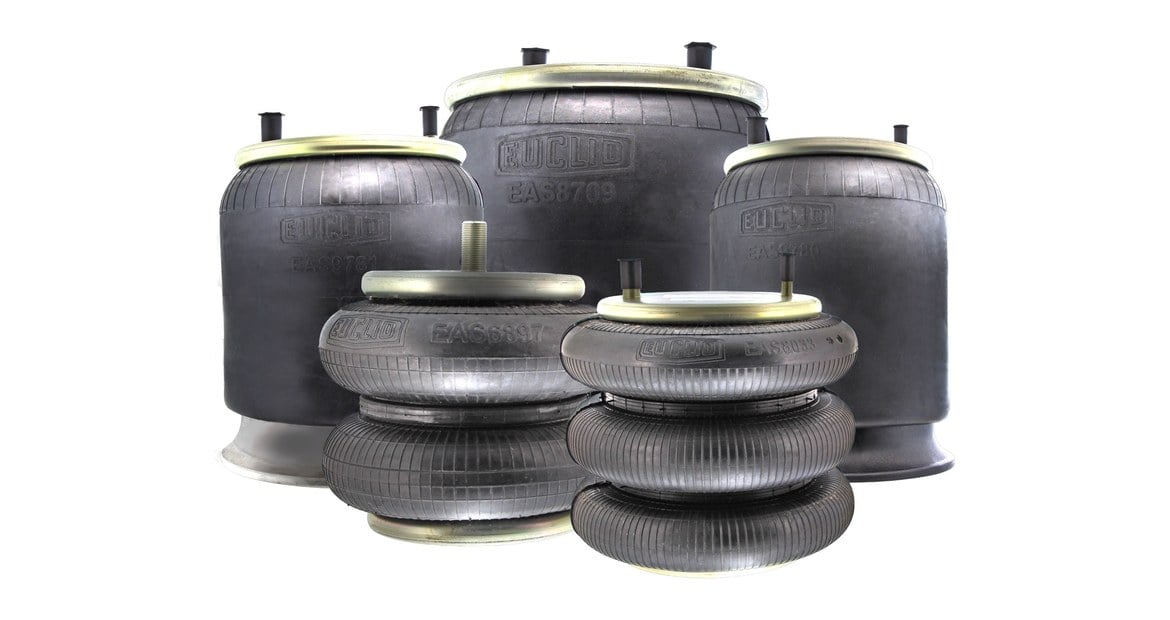
Most suspension problems do not begin with a major failure. More often, they develop gradually as wear accumulates across multiple components. Air springs and shock absorbers are a good example. While each performs a different job, both are designed to work together to support ride quality, vehicle control and suspension performance.
Air springs are at the heart of ride quality and load control. They adjust to changing load weights, help maintain consistent ride height and absorb road inputs before they reach the vehicle, driver or cargo. They also contribute to vehicle stability by helping keep the truck level under varying operating conditions. Certain air suspension systems can even adjust ride height for loading and unloading or raise axles when unloaded, helping reduce tire wear.
Shock absorbers perform a different but equally important role. They dampen bounce and sway, help maintain tire contact with the road surface and limit excessive suspension movement. By controlling motion, they support steering response, braking performance and overall vehicle stability. They also reduce stress on air springs and surrounding suspension components, helping extend service life throughout the suspension system.
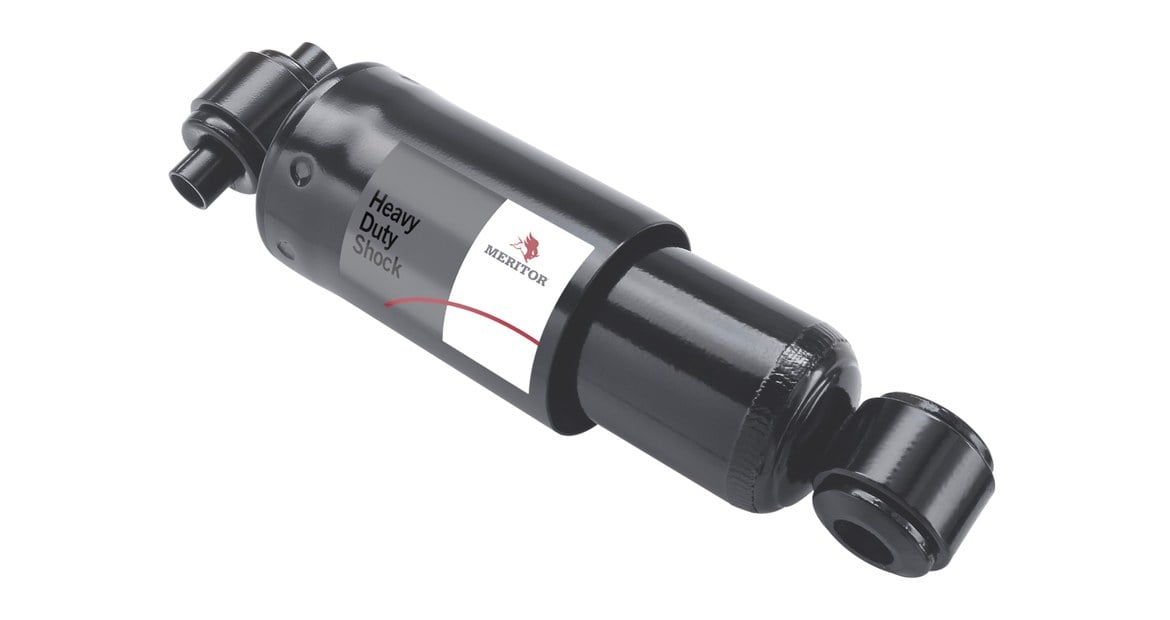
Because these components work together, wear in one often accelerates wear in the other. A worn shock absorber allows excessive suspension movement, causing air springs to flex more aggressively and shortening their service life. A damaged air spring places additional demands on the shock absorber, increasing the likelihood of premature failure. The result is a cycle that can affect ride quality, handling, component life and ultimately vehicle uptime.
At Cummins, we encourage fleets to view suspension maintenance through a system-wide approach. Addressing air springs and shocks together helps restore proper suspension performance and reduces the likelihood that one worn component will shorten the life of another.
When suspension components wear out, the effects extend far beyond ride comfort.
Excessive suspension movement can reduce vehicle stability, increase vibration throughout the truck and transfer more stress into surrounding components. Cargo may experience greater shock loads. Tires can develop uneven wear patterns. Drivers may notice increased bounce or reduced ride quality. Small suspension issues can quickly become larger maintenance problems.
The costs can add up quickly. A planned air spring and shock service costs about $950 per axle. Wait until the repair becomes a roadside breakdown and that figure jumps to around $2,350. If towing is required, costs can climb to roughly $3,150.
The difference is significant: $1,400 to $2,200 per axle, before accounting for potential damage to tires, torque rods, frame components or other suspension parts. For a 10-truck fleet, avoiding just one suspension-related breakdown per vehicle each year could save $14,000 to $22,000 annually.
Suspension maintenance also benefits components beyond air springs and shocks. Properly functioning shocks help maintain tire-to-road contact, which supports traction, braking and directional control. They also help limit rapid suspension movement that can place additional stress on related suspension components. Keeping the system healthy helps fleets avoid unnecessary wear throughout the vehicle.
For fleets focused on uptime, proactive suspension maintenance remains one of the most effective ways to control operating costs and reduce the risk of unplanned repairs.
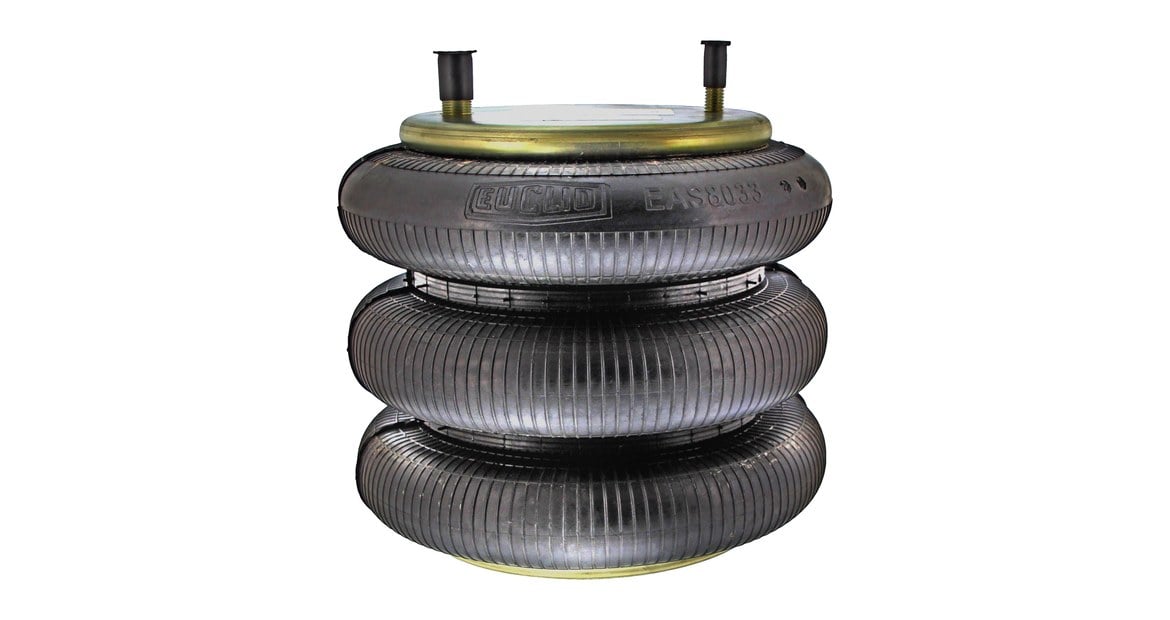
Because air springs and shock absorbers depend on one another, servicing them together during planned maintenance often delivers the best results.
Replacing or repairing only one component can leave performance gaps that affect ride quality, vehicle control and component life. Addressing both during the same service interval helps restore proper suspension performance, maximize component life and reduce the likelihood of repeat repairs. It also gives technicians the opportunity to identify developing issues before they become roadside events.
Incorporating suspension inspections into regular maintenance intervals is recommended. A practical inspection every 50,000 miles should include:
Inspect shock absorbers for physical damage, worn mounts and significant oil leakage. Light misting might be normal in some applications, but heavy leakage indicates replacement is needed.
Perform a shock heat check after driving. A functioning shock absorber should feel noticeably warmer than the frame rail.
Check air springs for cracks, cuts, abrasions and trapped debris.
Verify ride height is within OEM specifications.
Inspect bushings, mounting hardware, torque rods, U-bolts and height control valves for wear, looseness or missing components.
Examine tires for uneven wear patterns that may indicate suspension issues.
Confirm air lines and nearby components are not contacting the air spring bellows and causing friction damage.
Cummins suspension solutions through Meritor® and Euclid® products are designed to work together to support ride quality, vehicle control and long-term durability. By treating air springs and shock absorbers as a connected system and addressing wear before failure occurs, fleets can reduce downtime, avoid unnecessary repair costs and keep trucks operating at their best.
